USC Viterbi School of Engineering
USC Study Used Sweat, Brain Signals, Eye Movements and AI to Detect Depression and Suicide Risk
Researchers analyzed biomarkers that could help psychiatrists identify at-risk individuals earlier and more objectively, supplementing existing self-report surveys and clinical interviews
Learn More
Image
Viterbi School News
Image
From USC Viterbi graduate student to dean: Sukhatme reflects on his 35-year Trojan journey.
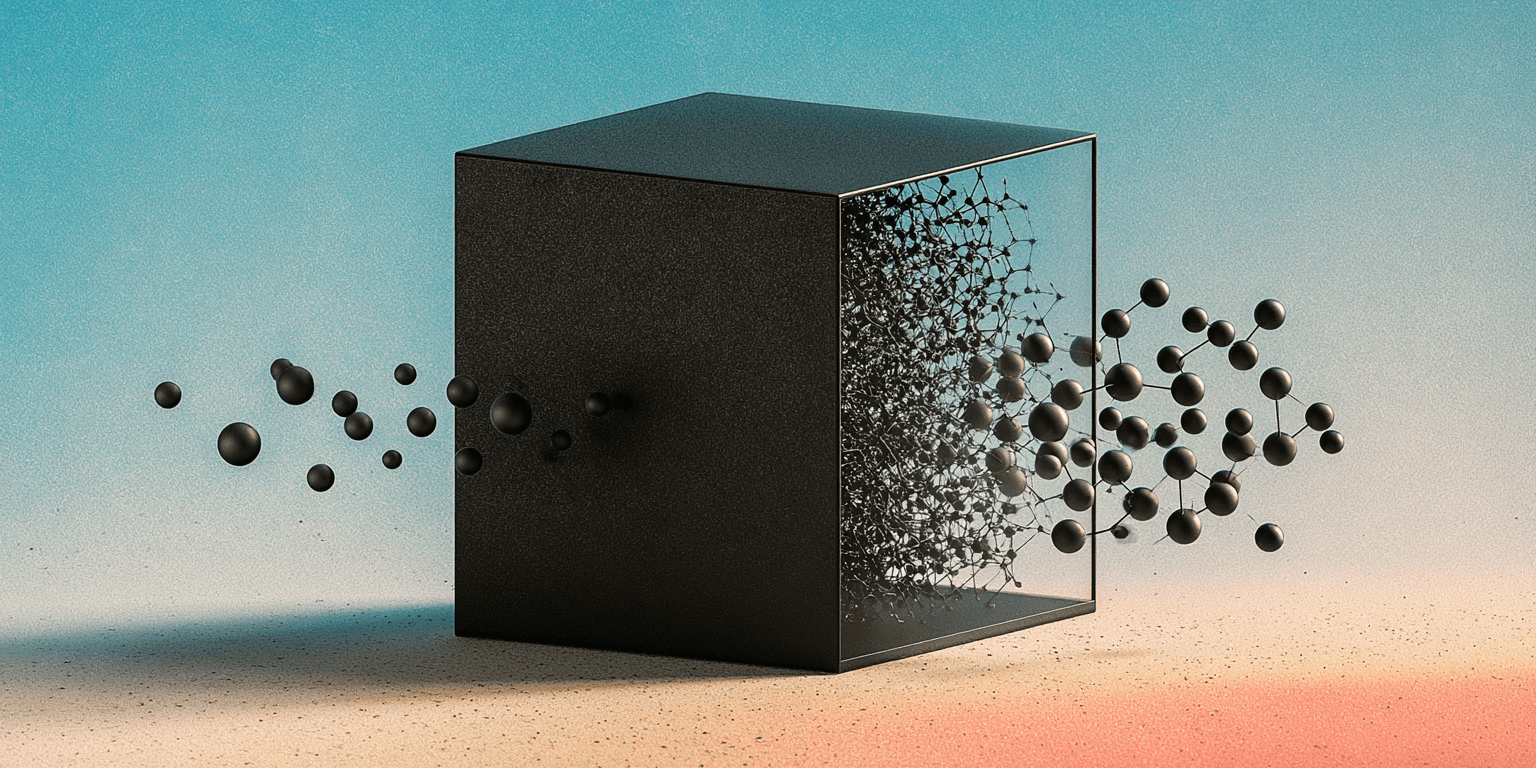
USC researchers have developed a new "black box" tool to measure the softness of tumor cells, an insight that could be crucial for more effective cancer treatment.
Image
USC Viterbi researcher wins NSF Career Award and aims to study how quantum computing can transform database optimization for a data-intensive future
Image
A study by USC Viterbi researchers indicates that nicotine-free e-cigarettes can disrupt the heart's oxygen supply-demand balance, a key indicator of cardiovascular health.
Image
Image
Ali Abbas wins the Frank P. Ramsey Medal for decades of research that has helped shape how people make complex decisions
Image
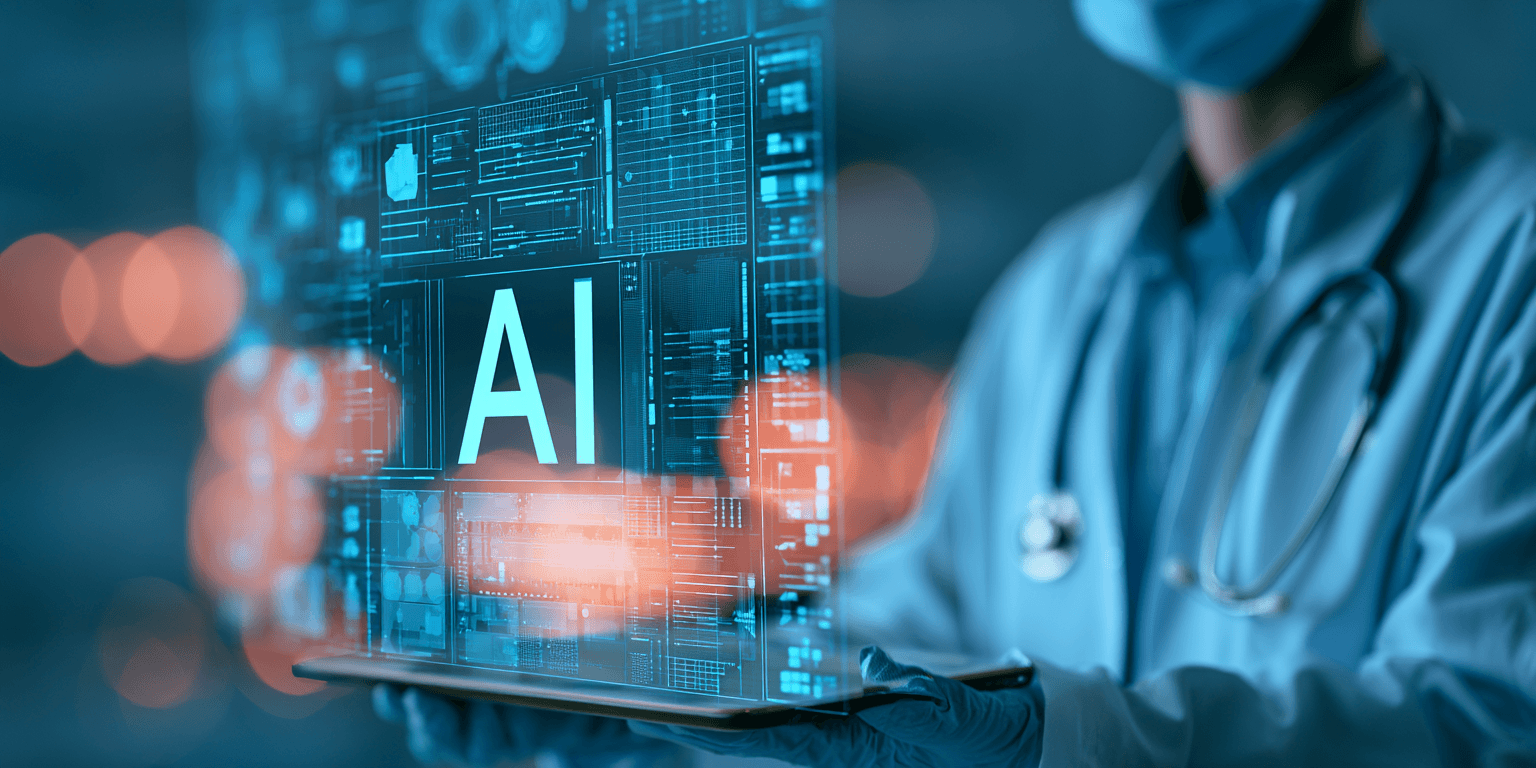
USC Research Finds AI Strong in Empathy with Promising Potential for Mental Health Support, but Models Still Struggle With Safety Concerns
Image
USC Viterbi graduate Alex Wang turned curiosity, leadership and a passion for public service into an extraordinary four-year journey.
Image
USC Viterbi researchers developed a context-aware AI system that helps robots distinguish harmless contact from risky collisions in complex environments.
Image
USC Researchers to Lead Workshops and Present Papers at RSS 2026: From Humanoid Foundation Models and Robotic Reward Learning to 3D Vision for Precision Manipulation
Image
USC Viterbi researcher Yolanda Gil on the state of artificial intelligence through the 2026 AI Index.
AI for Engineering and Science

When scientists made the historic first detection of gravitational waves in 2016 — confirming a century-old prediction by Einstein — USC was behind the scenes making it possible.

USC ISI's Pegasus Workflow Management System had spent 15 years working with LIGO, automating the analysis of tens of terabytes of data and running millions of computational tasks that helped prove one of physics' greatest theories. The same software also generated the first physics-based probabilistic seismic hazard map of Southern California.

Today that tradition of AI-accelerated discovery continues across every scientific frontier: USC researchers have developed an AI model capable of simulating billions of atoms simultaneously to unlock new materials; AI tools are decoding the Earth's subsurface to advance CO₂ storage and energy resource management; USC scientists have built a system that can draft a full research paper in under an hour; and AI is compressing years of trial-and-error alloy discovery into weeks.

By combining high-resolution satellite data, terrain data and realistic fire simulations, USC Viterbi researchers have developed a reconstruction and prediction tool for making informed decisions when tackling catastrophic wildfires.
Using AI paired with brain-machine interfaces, Dong Song wants to study how memories form in real life, and eventually help those who have lost the ability to make them.
USC Viterbi senior Nicholas Kim, a biomedical engineering major, led the landmark study with hopes that it could one day help improve the treatment of dementia and other brain disorders.
USC researcher launches GRAIL just one day after OpenAI's competing platform, promising to turn rough notes into submission-ready papers in under an hour

Academic Departments

By combining high-resolution satellite data, terrain data and realistic fire simulations, USC Viterbi researchers have developed a reconstruction and prediction tool for making informed decisions when tackling catastrophic wildfires.
A 4.5-meter dish antenna on the USC campus will join 33 other ground stations contributing to a study of how spacecraft signals behave at lunar distance.
AO Technologies, founded by USC researchers John Oghalai and Brian Applegate, has secured an ARPA-H small business award to develop a cochleoscope for clinical imaging of the inner ear.
The prestigious National Science Foundation Graduate Research Fellowship Program (GRFP) supports emerging researchers who demonstrate exceptional potential to advance science and engineering
Spearheaded by USC Viterbi PhD students, the annual SoCal Civil and Environmental Research Symposium (SoCal CEERS) connects academic research and industry practice for the Southern California CEE community.
Alumni panel showcased power of USC Viterbi's Trojan network, helps students navigate software engineering careers
Inspired by how the brain processes sight and touch simultaneously, a new device born in a Viterbi lab senses, encodes, and learns from the world around it using nothing but the energy that world provides.
Her research aims to advance the state-of-the-art contextual stochastic optimization methodologies, providing tools for making smarter decisions when the future is uncertain.
USC Stevens School of Computing and Artificial Intelligence

Rooted in an interdisciplinary approach, the school, a unit of USC Viterbi, serves as the hub for advanced computing research and education at USC.

Recent Highlights

Image
A new study by USC Viterbi examining over 1.27 million federal complaints finds that older Americans and veterans are consistently receiving slower responses from financial companies, and the gap is getting worse right as the watchdog agency meant to protect them faces uncertainty.
Image
USC Center for AI in Society Celebrated 10th Anniversary and Hosted Annual Symposium Featuring AI Research Across the University
Image
Researchers and industry leaders across engineering, law, philosophy, business and more gathered to discuss key issues in ethical and trustworthy AI at IETC's first summit
Image
USC researchers set record for oral presentations at ICLR 2026, with key breakthroughs in language model reliability, multimodal reasoning and robotics
An Innovative
School-Within-A-School
Operating as a “school-within-a-school” under USC Viterbi, the USC Mark and Mary Stevens School of Computing and Artificial Intelligence consists of the Thomas Lord Department of Computer Science (CS), the Ming Hsieh Department of Electrical and Computer Engineering (ECE), and the Division of Computing Education (DCE). Moreover, the School partners closely with USC Viterbi’s two powerhouse institutes, the Information Sciences Institute (ISI) and the Institute for Creative Technologies (ICT).
USC Viterbi researcher wins NSF Career Award and aims to study how quantum computing can transform database optimization for a data-intensive future
Miryam Huang is the first USC student to win the prestigious Machtey Award, recognized for solving a cryptographic problem first posed in 1976 and later asked as an open question in the quantum setting, with important implications for quantum cryptography.
USC Viterbi researchers suggest mysterious quantum connections may arise from common-sense physics, not supernatural weirdness.
At ISI's LA Tech Week panel, researchers explored how the principles of quantum mechanics are becoming real-world technologies, with high hopes for drug discovery
Quantum Computing

USC Viterbi has been a global pioneer in quantum computing.

In 2011, the USC-Lockheed Martin Quantum Computing Center at the USC Information Sciences Institute became the first academic institution in the world to house and operate a commercial quantum computer — a D-Wave One that prompted Google and NASA to follow with their own systems just two years later.

Today, USC remains the only university in the world with a dedicated on-site quantum computer, and in 2024 added the first IBM Quantum Innovation Center on the West Coast, giving researchers cloud access to IBM's most advanced systems.

Ranked among the top five graduate programs in quantum information science globally, USC Viterbi is training the next generation of quantum scientists while pushing the field forward - from demonstrating unconditional exponential quantum scaling advantage to probing exotic kagome superconductors.

Published on October 11th, 2016

Last updated on July 21st, 2026